


For your bathroom renovation, you'll need to prioritize safety by first switching off the power at the circuit breaker and using Ground Fault Circuit Interrupter (GFCI) outlets. Ensure proper ventilation by upgrading your exhaust fan and ensuring it vents outside. Opt for slip-resistant flooring to prevent falls and keep your workspace tidy and free from debris. Don't skimp on personal protective equipment; wear puncture-resistant gloves, goggles, and appropriate masks. Always handle tools and materials with care, lifting heavy items correctly and maintaining an organized workspace. These tips will set you on the right path, and there's more to explore that can ensure your project's safety.
Implementing Electrical Safety Measures
When tackling electrical installations during bathroom renovations, it's crucial to prioritize your safety. Electrical work in damp areas like bathrooms can be hazardous if you don't follow strict guidelines.
First, always turn off the power at the circuit breaker before starting any electrical work. This step prevents the risk of electric shock or worse.
You'll also want to use Ground Fault Circuit Interrupter (GFCI) outlets in your bathroom. These devices protect you from electric shock by immediately shutting off the power if they detect any ground faults. It's not just a good practice; it's a requirement in most building codes.
Make sure you're using tools and materials suitable for wet environments. Regular electrical tools and components aren't designed to withstand moisture. Invest in equipment that's rated for bathroom use to ensure longevity and safety.
Additionally, keep your workspace well-lit and free of clutter. Poor visibility can lead to mistakes, especially when you're working with wiring. A clean and organized area helps you spot potential hazards and manage tools effectively.
Lastly, if you're not confident in your electrical skills, don't hesitate to call a professional. Electrical work isn't something to tackle without proper knowledge and experience. Ensuring your safety is worth the extra cost.
Ensuring Proper Ventilation
After implementing essential electrical safety measures, the next critical step in your bathroom renovation is ensuring proper ventilation. It's vital for maintaining air quality and preventing mold growth, which can be a health hazard.
Start by evaluating your current ventilation system. Does it effectively remove steam and odors? If not, consider upgrading your exhaust fan. Opt for a model with a higher CFM (cubic feet per minute) rating than your current setup. It'll handle moisture better and keep the air fresh.
When installing a new fan, make sure it vents outside, not just into the attic or another indoor space. Venting indoors can lead to moisture problems in other parts of your home. If you're unsure about how to install it, hire a professional. It's a crucial step that ensures the system works efficiently.
Don't forget about natural ventilation. If possible, incorporate a window or a skylight that can open. This won't only help with moisture but also improve natural light.
Lastly, check local building codes to ensure your ventilation system meets all requirements. This can prevent future issues with mold and structural damage, keeping your bathroom safe and fresh for years to come.
Managing Slip and Fall Hazards
To manage slip and fall hazards during your bathroom renovation, start by choosing the right flooring material. Opt for tiles with a high slip resistance rating or textured surfaces that provide extra grip underfoot. These choices are crucial, especially in wet areas like showers and around bathtubs.
Next, you'll want to ensure that the layout of your bathroom minimizes risks. Keep the floor as uncluttered as possible by planning adequate storage spaces for toiletries, bath mats, and other essentials. This strategy helps avoid accidental trips and slips caused by objects on the floor.
During the actual renovation process, keep your workspace tidy and free of debris. Sweep frequently and remove tools or materials that aren't in use. Wet floors can be a major hazard, so use drying agents or fans to keep the area dry as you work.
Adhering to Personal Protective Equipment
While renovating your bathroom, it's essential to wear the right personal protective equipment (PPE) to safeguard against injuries. You'll come across various hazards, so gearing up appropriately is vital for your safety.
Firstly, always wear gloves that resist punctures and cuts. These will protect your hands while you're handling or moving sharp and rough materials. You don't want to finish your project with scraped or bruised hands!
Next, consider eye protection. Safety goggles are a must to prevent dust, debris, or chemicals from getting into your eyes, especially during tasks like sanding or painting.
Don't forget about respiratory protection. Masks or respirators can shield you from inhaling harmful dust and fumes, which are common in renovation work. Choose a mask that fits snugly and provides adequate filtration.
Lastly, if you're working with electrical components or any wiring, ensure you're wearing insulated boots and gloves. This will help prevent electric shocks, which can be severe.
Handling Tools and Materials Safely
Handling tools and materials safely is crucial when renovating your bathroom. You've got to know the right way to manage everything from heavy tiles to sharp tools.
Always lift with your legs, not your back, especially when moving bulky items like a new bathtub or a stack of tiles. This prevents strain and potential injury.
Make sure you're using the correct tools for each task. Don't substitute a screwdriver for a chisel or vice versa; using tools improperly can lead to accidents or damage to your materials.
Keep your tools in good condition, too. Dull blades or faulty wiring are accidents waiting to happen. Regular maintenance, like sharpening blades and checking electrical cords, will keep you safe.
Stay organized. Keep your workspace clear of clutter to avoid tripping over scattered tools and materials. Designate specific areas for different supplies and tools, and return them after use. This practice not only keeps you safe but also saves time.
Lastly, don't rush. Take your time with each step of your renovation. Rushing can lead to mistakes and accidents. Remember, safety's not just about finishing the job but finishing it without harm.
Frequently Asked Questions
How Do I Choose a Reliable Contractor for Bathroom Renovations?
To choose a reliable contractor for bathroom renovations, you should check their credentials, read reviews, ask for references, and compare quotes. Make sure they're licensed and insured. Trust your gut when making a decision.
What Permits Are Needed for a Bathroom Renovation?
You'll need building permits for structural changes and plumbing or electrical updates. Check with your local building department to see what's required for your bathroom renovation to ensure everything's up to code.
Can Bathroom Renovations Increase Home Value?
Yes, bathroom renovations can significantly increase your home's value. They modernize the space and enhance functionality, making your home more appealing to potential buyers if you're considering selling in the future.
How Long Does a Typical Bathroom Renovation Take?
A typical bathroom renovation usually takes about 4 to 6 weeks, but it can extend up to 8 weeks if you're making significant changes or facing delays in material delivery or labor availability.
Are There Eco-Friendly Options for Bathroom Renovations?
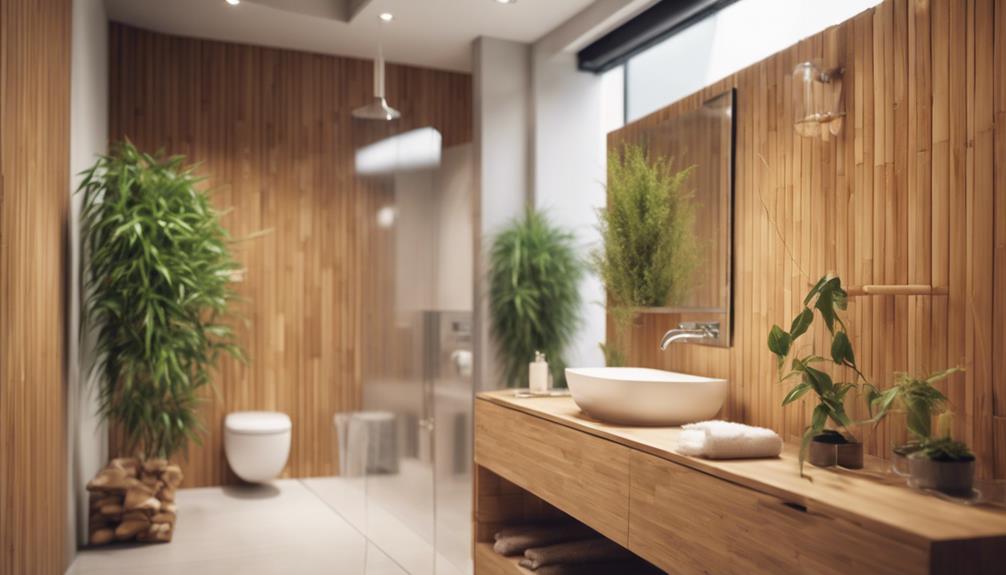
Yes, you've got plenty of eco-friendly options for bathroom renovations. You can use sustainable materials like bamboo or recycled glass, and choose low-flow fixtures to reduce water usage. It's greener and still stylish!
Conclusion
As you wrap up your bathroom renovation, remember to prioritize safety. Ensure all electrical installations meet safety codes, and keep the area well-ventilated to prevent mold and moisture buildup. Always address slip hazards by choosing the right flooring, and don't skimp on personal protective equipment—your safety is worth it. Handle all tools and materials with care to avoid accidents. By following these protocols, you'll not only create a beautiful space but also a safe one.
Related articles: 7 Key Safety Protocols for Bathroom Renovations · What Are Essential Safety Protocols for Bathroom Renovations? · Ensuring Safety in Bathroom Renovation: Key Protocols




Leave a Reply