


To install eco-friendly bathroom fixtures, begin by choosing sustainable materials like recycled glass or bamboo. You'll need basic tools, and it's crucial to turn off your water supply before starting. Whether you're installing a low-flow toilet, an eco-friendly showerhead, or a WaterSense-certified faucet, ensure that all connections are tight to prevent leaks but avoid over-tightening. Install energy-efficient lighting fixtures such as LED bulbs, which not only conserve energy but also reduce your utility bills. With diligent installation and regular maintenance, these fixtures can significantly decrease water and energy consumption. Exploring further will equip you with the details to optimize your bathroom's eco-efficiency.
Selecting Sustainable Materials
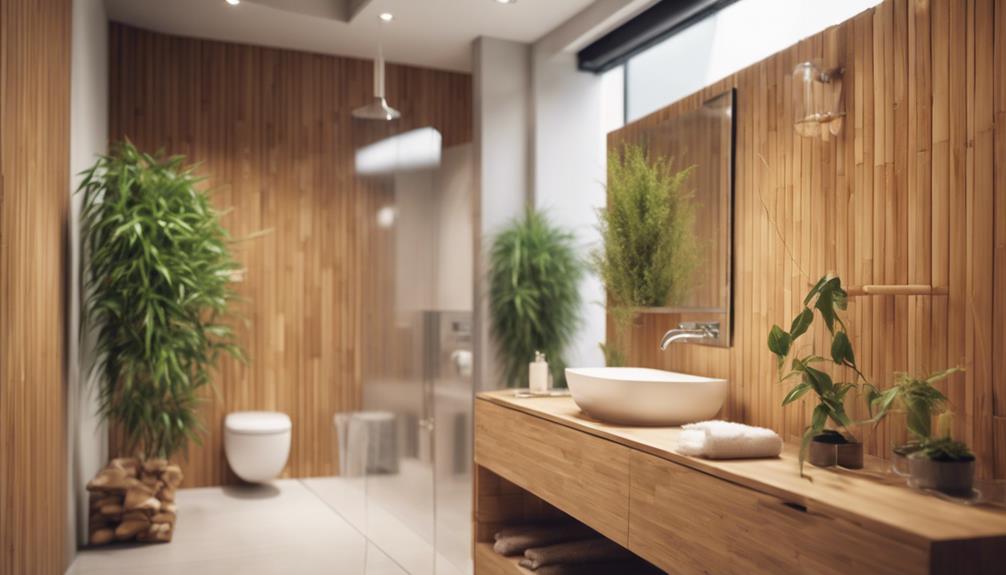
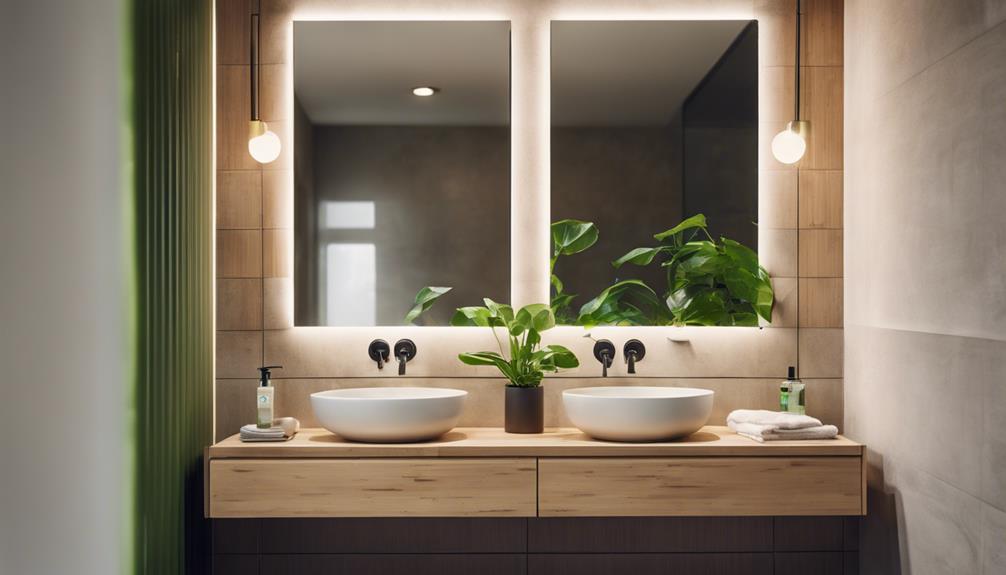
When choosing materials for your eco-friendly bathroom fixtures, it's crucial to prioritize sustainability. You'll want to consider options that not only reduce environmental impact but also support long-term durability and style. Start by exploring materials like recycled glass for countertops and bamboo for cabinetry. Both offer a sleek look while being remarkably sustainable.
Recycled glass is made from crushed, repurposed glass, reducing landfill waste and requiring less energy for production compared to virgin materials. It's tough, resistant to stains, and available in a variety of colors and patterns, making it ideal for a personalized touch in your bathroom design.
Bamboo, on the other hand, is a rapidly renewable resource that grows quickly and doesn't need replanting. It's naturally water-resistant, which is perfect for high-moisture environments like bathrooms.
Also, consider fixtures made of recycled metal or low-flow faucets and showerheads that minimize water usage without sacrificing performance. These choices not only conserve precious resources but also cut down on your utility bills.
Tools and Preparation Guide
Before you begin installing your new eco-friendly bathroom fixtures, it's essential to gather the right tools and prepare your space effectively. You'll need basic tools such as a screwdriver, adjustable wrench, pliers, tape measure, and a level. Depending on the specific fixtures, you might also require a pipe wrench and a hacksaw. Don't forget safety gear like gloves and goggles to protect yourself during the installation.
Next, ensure your bathroom is ready for the upgrade. Start by turning off the water supply to prevent any mishaps.
It's a good idea to clear out under the sink and around the installation area to provide easy access and workspace. Take this opportunity to clean the areas where you'll be working to ensure a tidy environment that's easier to manage.
Check the condition of existing plumbing and connections. If you find any worn-out parts or leaks, replace them before installing your new fixtures. This step is crucial to avoid complications once your eco-friendly fixtures are in place.
Lastly, lay out all your tools and the installation instructions for the fixtures nearby. Having everything within reach will make the process smoother and quicker.
Installing Low-Flow Toilets
Now that you've prepared your space and gathered all the necessary tools, let's move on to installing your low-flow toilet.
First, you'll need to remove the old toilet if it's still in place. Turn off the water supply and flush the toilet to drain the tank. Disconnect the water supply line and unscrew the bolts that hold the toilet to the floor. Carefully lift the old toilet away and set it aside.
Next, clean the flange on the floor – that's where the new toilet will be seated. Make sure it's free of debris and old wax. Place a new wax ring on the flange, ensuring it's perfectly centered. This ring is crucial as it prevents leaks.
Now, gently lower the new low-flow toilet onto the wax ring and flange. Press down firmly to set it in place. Once it's positioned correctly, secure it by tightening the bolts at the base. Be careful not to over-tighten as this can crack the porcelain.
Reconnect the water supply line and turn the water back on. Give it a test flush to ensure everything is working correctly and check for leaks. Congratulations, you've successfully installed a water-saving low-flow toilet!
Setting Up Eco-Friendly Showerheads
Switching to eco-friendly showerheads is a straightforward way to conserve water and reduce your utility bills. When you're ready to install one, you'll need to first remove your old showerhead.
Start by turning off the water supply to your shower to avoid any unexpected sprays. You'll likely need a wrench to unscrew the old showerhead. Wrap a cloth around the shower arm to protect its finish as you loosen the showerhead with the wrench.
Once you've removed the old fixture, clean the threads of the shower arm to ensure a tight fit for your new eco-friendly showerhead. It's a good idea to apply some plumber's tape around the threads; this helps prevent leaks.
Now, screw your new showerhead onto the shower arm by hand. Once it's hand-tight, use the wrench for a final quarter turn, making sure not to overtighten as this can damage the threads.
Efficient Faucet Installation
Installing an efficient faucet in your bathroom is an effective way to reduce water consumption and save on your bills. You'll want to start by choosing a faucet labeled with a WaterSense certification. This ensures the faucet uses at least 20% less water than standard models without sacrificing performance.
First, turn off the water supply to avoid any unexpected geysers. Next, remove the old faucet. You'll likely need an adjustable wrench and some patience. Once removed, clean the area around the sink to ensure a smooth installation.
Now, take your new faucet and align it with the mounting holes in your sink. If your faucet includes a gasket, place it between the sink and the faucet. Otherwise, apply a bead of plumber's putty around the base to prevent leaks. Secure the faucet with the mounting nuts provided, but don't overtighten—this can damage your new hardware.
Connect the water supply lines to the corresponding hot and cold valves on your faucet. Make sure these connections are tight; use wrenches for a snug fit. Turn the water supply back on and check for any leaks. If all looks good, you've successfully installed an eco-friendly, efficient faucet that'll contribute to both water conservation and cost savings in your home.
Energy-Saving Lighting Fixtures
After updating your bathroom with a water-efficient faucet, consider enhancing your energy efficiency by installing energy-saving lighting fixtures. These fixtures not only reduce your electricity consumption but also cut down on your utility bills.
Firstly, you'll want to choose LED bulbs over traditional incandescent ones. LEDs use at least 75% less energy and last 25 times longer, making them a no-brainer for both your wallet and the planet. When shopping, look for bulbs labeled as "Energy Star" certified to ensure maximum efficiency and performance.
Next, think about installing dimmer switches. These allow you to adjust the lighting to just the right level, using only as much power as you need. It's a simple change that can make a significant impact on energy use.
Additionally, consider motion sensors for your bathroom lights. They'll ensure lights aren't left on unnecessarily, which is especially useful in households with kids or forgetful adults.
Maintaining Your Eco Fixtures
Once you've installed your eco-friendly bathroom fixtures, regular maintenance is crucial to ensure they continue to operate efficiently. Keeping up with the care of your fixtures not only prolongs their life but also maximizes their environmental benefits.
Firstly, you'll want to check for leaks often. Even the smallest drip can waste gallons of water over time. Fix any leaks as soon as you spot them. You don't need to be a plumbing expert; many minor leak fixes are DIY-friendly with basic tools and online tutorials.
Secondly, clean your fixtures regularly using eco-friendly cleaning products. Harsh chemicals can damage the materials and finishes of your fixtures and harm the environment when they wash down the drain. Opt for vinegar, baking soda, or certified green products that are gentle yet effective.
Additionally, if your fixtures include low-flow faucets or showerheads, it's important to periodically check and clean their aerators. Mineral buildup can block the flow, reducing efficiency. Unscrew the aerator, remove any debris, and rinse it under water.
Lastly, if you have a dual-flush toilet, ensure the mechanisms are functioning properly. Misalignments or wear can cause them to operate less effectively, undermining your conservation efforts. Regular checks and adjustments will keep them performing optimally.
Frequently Asked Questions
Can Eco-Friendly Fixtures Increase My Home's Resale Value?
Yes, installing eco-friendly fixtures can boost your home's resale value. Buyers often value sustainability, leading to a higher willingness to pay for environmentally conscious upgrades. It's a smart, profitable move for your future sale.
Are There Tax Incentives for Installing Eco-Friendly Fixtures?
Yes, you might find tax incentives for installing eco-friendly fixtures. It's wise to check with your local tax authority or a tax professional to see what specific benefits you're eligible for.
How Long Do Eco-Friendly Fixtures Typically Last?
You'll find that eco-friendly fixtures generally last as long as traditional ones, often ranging from 10 to 15 years, depending on the brand and maintenance. Always check the warranty for specific lifespan details.
Do Eco-Friendly Bathroom Fixtures Require Special Cleaners?
You don't need special cleaners for eco-friendly bathroom fixtures; regular, gentle cleaning products are sufficient. Avoid harsh chemicals to maintain their condition and ensure they remain effective and environmentally friendly.
Are Eco-Friendly Fixtures Compatible With Older Plumbing Systems?
You'll find that many eco-friendly fixtures are compatible with older plumbing systems, but it's crucial to check compatibility before installation to avoid any potential issues with your existing setup.
Conclusion
Now that you've installed your eco-friendly bathroom fixtures, you're on your way to saving water and energy. Remember, maintaining these fixtures is key to their longevity and efficiency. Regularly check for leaks and clean them without harsh chemicals to preserve their functionality and appearance. Embrace these small changes, as they make a big impact on your environmental footprint. Enjoy your greener bathroom, knowing every drop of water and watt of energy is being used wisely!
Related articles: Why Choose Eco-Friendly Fixtures for Your Bathroom? · 3 Best Eco-Friendly Bathroom Fixture Installations · Top 5 Energy-Efficient Bathroom Fixtures to Install




Leave a Reply