

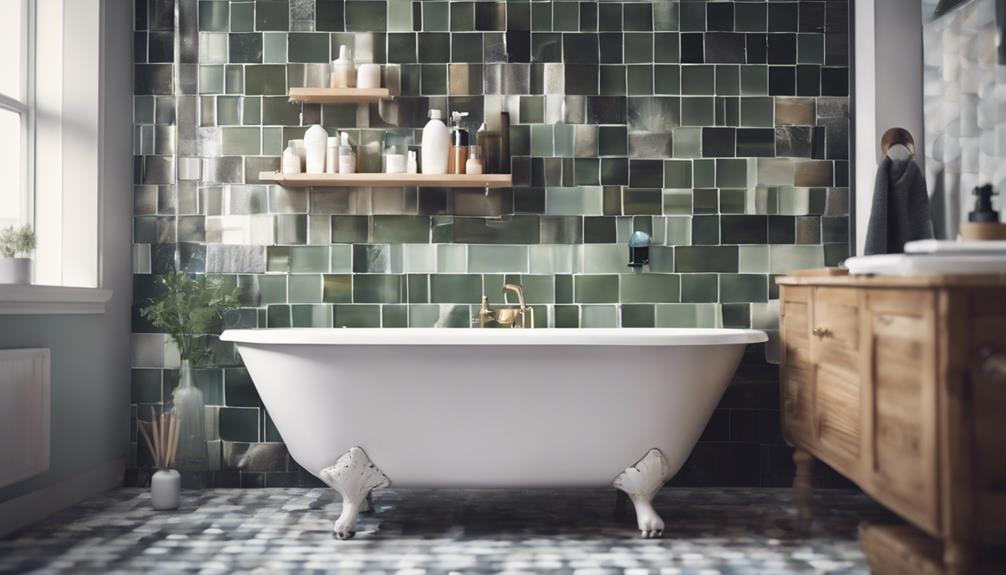
To plan an affordable bathroom remodel, start by setting a clear budget, including a buffer of 10-20% for unexpected costs. Prioritize essential upgrades first, focusing on fixes that enhance functionality and aesthetic appeal, such as improved lighting, ventilation, and modern fixtures. Opt for cost-effective materials like ceramic tiles or laminate countertops that mimic more expensive options. Schedule work during off-peak seasons to secure better rates from contractors and consider taking on some DIY tasks, like tiling or simple demolitions, to cut costs further. By carefully choosing your battles and managing resources, you'll achieve a stunning renovation. Explore these strategies more to fully harness their potential benefits.
Define Your Budget Early
Before diving into your bathroom remodel, it's crucial to set a clear budget. You need to know how much you can realistically spend before making any decisions. Start by reviewing your finances to determine how much you can allocate without stretching yourself too thin. Remember, unexpected costs often arise during remodeling projects, so it's wise to set aside an additional 10-20% of your total budget for unforeseen expenses.
Next, get a rough idea of costs by researching the price of materials, labor, and any permits you might need. This can vary widely depending on where you live and the scope of your project. Don't forget to factor in the cost of fixtures, cabinetry, and finishes, which can add up quickly.
Once you've got a ballpark figure, see where you can cut costs without compromising quality. Maybe you can do some of the work yourself or choose less expensive materials that still look great and serve your needs. It's all about finding the right balance between what you want and what you can afford.
Keep track of all estimates and quotes in a spreadsheet to ensure you stay on budget as your project progresses.
Prioritize Essential Upgrades
Once you've established your budget, focus on the must-have upgrades that will make the biggest impact on your bathroom's functionality and appeal. Start with the essentials: think about what's outdated, broken, or inefficient. Is your shower leaking? Are the tiles cracked? These aren't just aesthetic issues; they're practical ones that can affect your daily life.
Next, consider the elements that you use the most. If you're constantly battling for counter space, or if your storage is insufficient, these are areas where your money can wisely go. Upgrading to a double vanity or adding shelving can transform your experience without breaking the bank.
Don't forget about the lighting and ventilation. Poor lighting can make a bathroom look dingy and small, while poor ventilation can lead to moisture damage and mold. Investing in brighter, energy-efficient lights and a better exhaust fan can significantly improve the atmosphere and safety of the space.
Lastly, assess your fixtures. Modern faucets, showerheads, and handles aren't just about aesthetics; they're often more water-efficient. Upgrading these can offer both a visual refresh and a practical improvement in water usage. Prioritize based on what'll improve your daily routine and long-term satisfaction with the space.
Opt for Cost-Effective Materials
Explore cost-effective materials to keep your bathroom remodel within budget without sacrificing style or quality. When you're picking out materials, think beyond traditional options and consider alternatives that offer durability and aesthetic appeal at a lower cost.
For instance, instead of natural stone, you might choose ceramic or porcelain tiles that mimic the look of granite or marble. These aren't only more affordable but also easier to maintain.
Laminate countertops are another savvy choice. They've come a long way in design, offering styles that resemble stone, wood, or even quartz at a fraction of the price. Plus, they're resilient and simple to install, which could further reduce your costs.
Don't forget to check out local remnants for countertops and tiles too. Often, you can find high-quality materials left over from other projects at significantly reduced prices.
For fixtures, consider looking at less popular brands that still meet quality standards but don't carry the premium prices of high-end manufacturers. Also, explore mixing and matching different materials. A high-end faucet might pair well with a budget-friendly sink, balancing cost and luxury effectively.
Schedule Contractors Wisely
Scheduling contractors strategically can significantly reduce your bathroom remodel costs. When you're planning to hire professionals, timing is everything. By aligning your project with contractors' off-peak seasons, you'll often find they offer competitive rates to fill their schedules. Typically, winter and late fall are quieter times for remodeling industries, so booking during these periods might snag you a better deal.
You should also consider coordinating your project when contractors can work continuously. Interruptions in the workflow can lead to increased labor costs as workers may need to revisit your project multiple times. Try to ensure that all your materials and plans are finalized before they begin, which prevents delays and the extra expenses that come with them.
Furthermore, bundling tasks can lead to discounts. If you hire the same contractor for multiple aspects of your remodel, they're likely to offer a package deal. This not only simplifies the process for you but also makes the work more economical.
Lastly, don't hesitate to ask for quotes from several contractors. Comparing bids helps you understand the market rate and strengthens your negotiating position. Remember, the cheapest option isn't always the best, but it's wise to know what's out there.
Consider DIY Where Possible
While scheduling contractors wisely can save you money, taking on some tasks yourself can be even more cost-effective. You've probably watched enough home improvement shows to know that many aspects of bathroom remodeling can be done on your own, from painting walls to installing simple fixtures.
Start by assessing your skills and comfort level. If you're confident in your abilities, tackle projects like laying tiles or updating light fixtures. These tasks don't require specialized licenses and can significantly cut down your expenses. However, it's crucial to know your limits. Plumbing and electrical work might be better left to the pros unless you have specific training.
You can also save by doing the demolition yourself. Removing old fixtures, tiles, or cabinetry is labor-intensive but straightforward. Just ensure you have the right tools and safety gear. This phase of the project isn't only about saving money but also about preparing the space thoroughly for the upcoming renovations.
Lastly, consider the finishing touches. Installing accessories, painting, and decorating can be enjoyable DIY projects that personalize your space. Remember, every task you take on yourself keeps your budget in check and adds a personal pride in the finished product.
Frequently Asked Questions
How Can I Maintain Ventilation During a Bathroom Remodel?
To maintain ventilation during your bathroom remodel, you should keep windows open and use portable fans. Additionally, ensure any ducts remain unblocked and consider temporary exhaust fans to enhance airflow.
What Are Eco-Friendly Options for Bathroom Remodeling?
You can use recycled materials, install low-flow fixtures, and choose energy-efficient lighting to make your bathroom remodel eco-friendly. Opt for natural cleaning products and consider a green wall for improved air quality.
How Do I Ensure My Remodel Is Child-Friendly?
To ensure your remodel is child-friendly, choose non-slip flooring, rounded corners on fixtures, and lower storage spaces. Don't forget to install thermostatic shower controls to prevent scalding and use durable, easy-clean materials.
What Are the Latest Smart Bathroom Technologies?
You'll find the latest in smart bathroom tech includes digital showers, voice-activated lighting, and heated floors. Don't forget about water-conserving toilets and high-tech mirrors that can display weather updates and news.
How Long Does an Average Bathroom Remodel Take?
An average bathroom remodel can take between 4 to 6 weeks, depending on the complexity and scale of your project. You'll need to factor in time for planning, demolition, and installation.
Conclusion
Now that you've got the hang of it, start planning your budget-savvy bathroom remodel today. Remember to define your budget early, prioritize those essential upgrades, and choose cost-effective materials. Scheduling contractors wisely can save you a bundle, and don't shy away from rolling up your sleeves for some DIY. By following these smart tips, you'll transform your bathroom beautifully without breaking the bank. So, what are you waiting for? Dive in and make your bathroom dreams a reality!
Related articles: Budget-Friendly Bathroom Remodel: Planning & Scheduling Guide · Mastering Cost-Effective Bathroom Remodel: Top Planning Tips · 10 Secrets to Affordable Bathroom Remodel Scheduling




Leave a Reply