

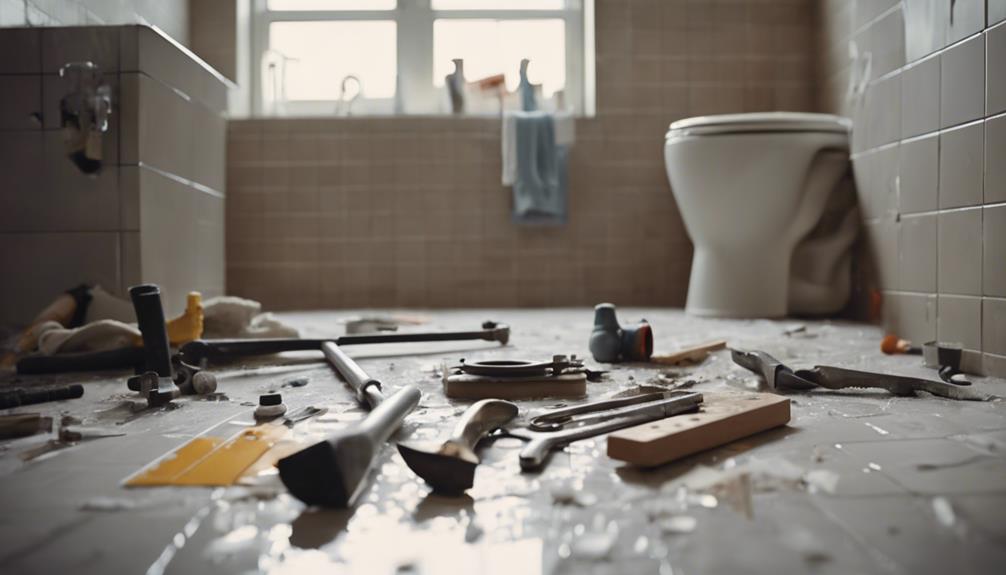
To efficiently manage your bathroom renovation costs, start by obtaining multiple contractor quotes to compare labor expenses—don't just opt for the cheapest, consider quality of work too. You'll also want to meticulously list and compare costs of materials, factoring in hidden fees like delivery and waste removal, and set aside an additional 10-15% of your budget for unforeseen costs. Consider a phased approach, tackling essential updates first and spreading costs over time. Lastly, capitalize on cost-efficient design choices: update fixtures, regrout old tiles, and repaint with moisture-resistant paint. These strategies ensure you're not only saving money but also gradually building the bathroom of your dreams, inviting further exploration into how each technique can be specifically tailored to your project.
Assessing Material and Labor Expenses
When planning a bathroom renovation, it's crucial to accurately assess both material and labor costs to stay within your budget. You'll want to start by getting quotes from multiple contractors to compare labor prices. Don't just go for the cheapest; consider their reputation and quality of work too.
Next, create a detailed list of materials needed, from tiles to taps. Prices can vary widely, so shop around and consider both high-end and budget options. You might find that some items, like generic brand fixtures, offer significant savings without compromising on style or quality.
Remember to include potential hidden costs in your calculations. These can include delivery fees for materials, waste removal, and even possible repairs to underlying issues discovered during the renovation.
It's wise to allocate an extra 10-15% of your total budget for these unexpected expenses.
Implementing a Phased Renovation Approach
Implementing a phased renovation approach can significantly ease the financial strain of updating your bathroom. By tackling the renovation in stages, you're able to spread out your expenses over time, making the financial burden much more manageable. You don't have to save up a large sum before you start; you can begin with what you've got and progress as your budget allows.
Start by prioritizing the changes that will make the biggest impact or are most necessary. For example, you might begin with plumbing and essential fixtures if they're outdated or malfunctioning. This phase ensures that your bathroom remains functional and prevents any potential damage from old fixtures.
Next, you could move on to cosmetic updates like painting, replacing tiles, or updating lighting fixtures. These changes can transform the look of your bathroom without requiring a huge investment upfront.
Utilizing Cost-Efficient Design Techniques
Utilizing cost-efficient design techniques can significantly reduce your expenses during a bathroom renovation. You'll find that by choosing the right strategies, you can maintain both style and functionality while sticking to your budget.
First off, prioritize your renovations. Focus on changes that offer the biggest impact for the least amount of money. For example, updating fixtures like faucets, showerheads, and cabinet handles can give your bathroom a fresh look without a hefty price tag. Opt for high-quality, budget-friendly brands that provide longevity without costing a fortune.
Next, consider repurposing existing materials. If your tiles are still in good shape, think about regrouting instead of a complete replacement. This can refresh the space without the need for costly new materials.
Similarly, refinishing your bathtub or sink instead of buying new ones can save you hundreds.
Lastly, don't underestimate the power of paint. A new color scheme can transform your bathroom dramatically and it's generally inexpensive. Choose moisture-resistant paint to prevent mold and ensure longevity.
Frequently Asked Questions
How Do I Obtain Permits for a Bathroom Renovation?
To obtain permits for a bathroom renovation, you'll need to visit your local building department. They'll provide the necessary forms and guidelines. Ensure you have your renovation plans ready for review and approval.
What Are the Latest Bathroom Technology Trends?
You'll find that the latest bathroom technology trends include smart showers, touchless faucets, and heated floors. These upgrades offer convenience and energy efficiency, enhancing your daily routine with a touch of modern luxury.
How Long Does a Typical Bathroom Renovation Take?
A typical bathroom renovation can take anywhere from 2 to 6 weeks, depending on the complexity and scale of the project. You'll need to factor in time for planning, construction, and unforeseen delays.
Are DIY Bathroom Renovations Advisable for Beginners?
DIY bathroom renovations can be risky for beginners. You'll face unexpected challenges and might exceed your budget. It's better to start with smaller projects or consult a professional to avoid costly mistakes.
What Are Common Unexpected Costs in Bathroom Renovations?
You'll often encounter unexpected costs like mold remediation, outdated plumbing updates, and structural repairs. Also, waterproofing issues and unforeseen electrical problems can push your budget beyond initial estimates during bathroom renovations.
Conclusion
You've got a solid plan now to tackle your bathroom renovation without breaking the bank. By assessing material and labor costs, you can prioritize your spending wisely. Implementing a phased approach lets you spread out expenses and manage them more comfortably. Plus, using cost-efficient design techniques ensures you're getting the best bang for your buck. Dive in confidently, knowing you're equipped with the best strategies to make your bathroom both beautiful and budget-friendly.
Related articles: Top 10 Costs in Bathroom Renovation Breakdown · 10 Tips for Budgeting Your Bathroom Renovation Costs · Navigating Construction Costs for Bathroom Remodeling Projects




Leave a Reply