

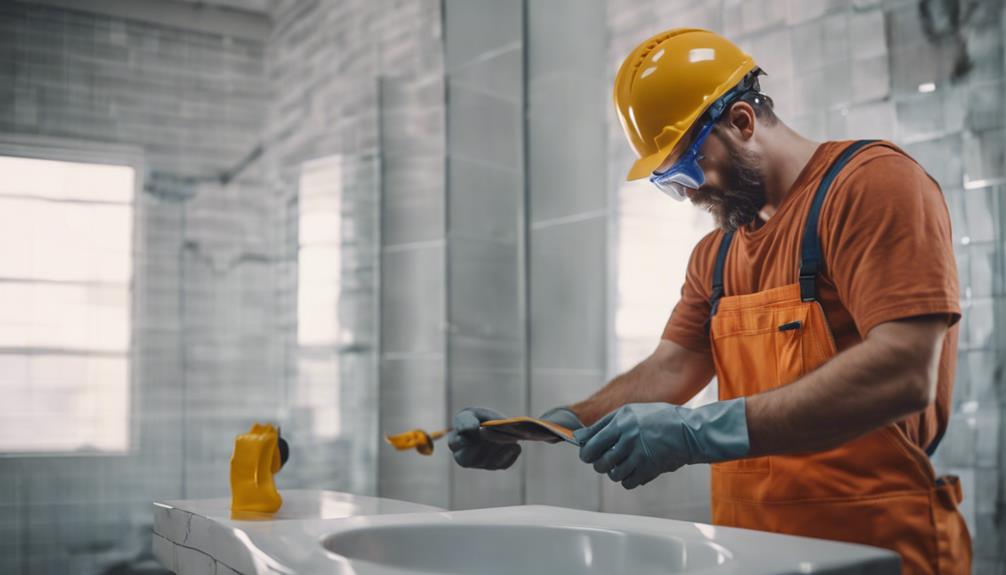
Complying with OSHA standards in your bathroom remodeling project keeps you safe from accidents and avoids expensive fines. By following required practices for ventilation, electrical safety, and the use of Personal Protective Equipment like gloves and goggles, you're not just protecting your workers; you're also boosting job satisfaction and efficiency. Remember, ignoring these regulations can lead to legal issues and reduced job competitiveness. Ensure you're equipped with the latest safety protocols and tools with built-in safety features. More details are available to further enhance your understanding of keeping your remodeling project compliant and successful.
Understanding OSHA Regulations
When tackling a bathroom remodeling project, it's crucial to grasp the OSHA regulations that apply. You're not just upgrading a space; you're also ensuring that the work environment is safe for everyone involved. OSHA guidelines cover a range of safety issues, from electrical hazards to the proper handling of building materials.
Firstly, you need to be aware of the specific standards regarding ventilation. Bathrooms often involve tasks that release pollutants; thus, effective exhaust systems are mandatory to prevent harmful exposure.
Additionally, electrical safety can't be overlooked. You must ensure all wiring and fixtures conform to OSHA's electrical standards to prevent accidents due to faulty installations.
It's also essential to understand the material safety data sheets (MSDS) for all chemicals and products you'll use. This knowledge is vital for avoiding health risks associated with hazardous substances found in adhesives, sealants, and cleaners.
Lastly, you should be familiar with the personal protective equipment (PPE) requirements. Depending on the tasks, you might need gloves, goggles, or other forms of protective gear to comply with OSHA standards. Knowing these details not only keeps you compliant but also shields you from potential fines or legal issues.
Benefits of Compliance
Understanding and adhering to OSHA regulations not only keeps your bathroom remodeling project compliant but also brings several tangible benefits.
Firstly, you'll enhance the safety of your workplace. This means fewer accidents and injuries, which not only protects your team but also reduces your risk of costly litigation and worker compensation claims. You're not just following rules; you're creating a safer environment for everyone involved.
Moreover, compliance leads to higher job satisfaction and morale among your workers. They'll appreciate your commitment to their health and safety, which can boost their productivity and the quality of their work. A happy team is a hardworking team, and this can set you apart from competitors who may not prioritize safety as you do.
You'll also notice an improvement in efficiency. By implementing OSHA's standards, you'll streamline processes and use equipment that meets safety regulations, which often means using the latest and most efficient technology. This can speed up your project timeline significantly.
Lastly, staying compliant helps you avoid fines and penalties associated with non-compliance, which can be severe. By investing a little now in compliance, you save a lot more down the line.
Common Hazards in Remodeling
Several common hazards can jeopardize the safety of a bathroom remodeling project. You're likely to encounter electrical risks, especially when you're working near water sources or handling installations in damp areas. Always ensure you're dealing with completely powered down circuits before starting any work.
Additionally, slip and fall accidents are a major concern. Floors can become slippery from water, dust, or debris, making it easy to lose your footing.
You'll also face dangerous chemicals, such as adhesives, solvents, and paints. These substances can emit harmful fumes and require proper ventilation to avoid respiratory issues. It's crucial you keep the area well-ventilated and limit your exposure to these chemicals.
Another risk involves manual handling and ergonomics. You'll often need to lift heavy materials, which can strain your back or cause other injuries if not done correctly. Make sure you're lifting with your legs, not your back, and seek help for particularly heavy or awkward items.
Lastly, don't underestimate the potential for cuts or abrasions, often from tools or sharp materials. You're always better off taking your time and handling materials with care to avoid any unnecessary injuries.
Protective Equipment Requirements
Every bathroom remodeling project demands the use of appropriate protective equipment to ensure your safety. When you're tearing out old tiles or cutting new ones, dust and debris are inevitable. You'll need a good pair of goggles to protect your eyes from sharp fragments and harmful dust.
Don't overlook the importance of respiratory protection either; a quality dust mask or respirator is a must-have to prevent inhalation of hazardous particles.
Gloves are another essential item. Choose ones that are both cut-resistant and waterproof to handle sharp tools and materials safely, while also keeping your hands dry and free from harmful substances like adhesives and solvents.
Remember, the right footwear is critical too. You should be wearing sturdy, non-slip shoes to safeguard against falls and ensure you've got a firm footing, especially on wet surfaces.
Training and Education Essentials
Proper training and education are critical for anyone undertaking a bathroom remodeling project. You must understand both the broad safety standards and specific compliance measures that OSHA mandates. This isn't just about avoiding fines; it's about ensuring you're working safely and effectively.
Firstly, you'll need to familiarize yourself with the right use of tools and equipment. Incorrect usage can lead to severe injuries or even fatalities. For instance, knowing how to securely operate power tools and what personal protective equipment (PPE) you should wear is essential.
Secondly, you should attend OSHA-approved training programs that cover topics such as hazard recognition, evaluation, and control. These programs often include practical demonstrations on safe practices, which can significantly reduce the risk of accidents on site.
Furthermore, staying updated with OSHA regulations is crucial. These rules can change, and what you learned a year ago might no longer apply. Regular refresher courses can help you keep up-to-date with the latest safety protocols and techniques.
Legal Implications of Non-Compliance
If you fail to comply with OSHA standards during a bathroom remodeling project, you may face serious legal consequences. These aren't just minor penalties; we're talking about hefty fines, lawsuits, and even criminal charges if negligence is proven. It's crucial to understand that compliance isn't optional—it's a legal requirement.
Let's say you decide to cut corners to save time or money. If an inspection occurs, or if there's an accident, you'll be under scrutiny. OSHA fines can reach up to tens of thousands of dollars per violation, and if the violations are found to be willful or repeated, the costs can skyrocket. This financial strain can cripple your business, eating into profits far beyond what compliance would have cost.
Moreover, legal action from injured parties can be even more damaging. Workers or clients injured due to non-compliance may sue for damages, leading to long, costly legal battles and a tarnished reputation. Remember, word spreads quickly, and your business might suffer long-term harm from negative publicity.
Enhancing Worker Safety
Frequently, enhancing worker safety starts with rigorous adherence to OSHA standards during bathroom remodeling projects. As you dive into these tasks, you're dealing with numerous hazards, from electrical risks to exposure to harmful substances. By following OSHA guidelines, you ensure that you've got the correct protective gear and procedures in place. This isn't just about ticking boxes; it's about keeping you safe every step of the way.
Consider the specifics, like ensuring all tools and equipment are up to standard and workers are trained in their proper use. This might seem like a given, but it's often where safety lapses occur. You're not only preventing accidents but also fostering a culture of safety that everyone in your team carries with them. It's about making sure that the work environment is as hazard-free as possible.
Moreover, regular safety audits and health hazard assessments are part of these standards. They help you catch potential risks before they become actual problems. This proactive approach isn't just good practice; it's essential.
Risk Management Strategies
Many risk management strategies can significantly reduce potential hazards in bathroom remodeling projects. You should start by conducting thorough risk assessments. Identify all possible risks, from electrical hazards to slips and trips. This proactive approach allows you to implement specific controls tailored to each identified risk.
Next, ensure you're using the right tools and equipment. Opt for tools with built-in safety features and make sure they're well-maintained. This not only enhances safety but also boosts efficiency on the job site.
Don't overlook the importance of proper personal protective equipment (PPE). Depending on the task, you might need gloves, goggles, or ear protection. Each piece plays a crucial role in shielding you from direct hazards.
Training is another key element. You and your team need regular training on the latest safety procedures and equipment handling techniques. It's not just about knowing what to do, but also understanding what to avoid. Continuous education on safety standards keeps everyone informed and vigilant.
Health Standards Enforcement
After establishing risk management practices, the next step in ensuring a safe bathroom remodeling project is enforcing health standards. You've got to understand that adhering to these standards isn't just about ticking boxes; it's fundamental to maintaining a safe workspace. Let's dive into how you can effectively implement these standards.
First, you need to be well-versed with OSHA's specific health standards related to bathroom remodeling. This means knowing the protocols for handling hazardous materials, ensuring proper ventilation, and preventing mold and mildew, which are common in wet areas.
You should conduct regular training sessions for your team, emphasizing the importance of these standards and how to apply them.
Moreover, consistent monitoring is crucial. You can't just set rules and hope they're followed; you need to actively check compliance through regular inspections. Use checklists tailored to bathroom remodeling to cover all bases—from electrical safety to ergonomic practices.
Long-Term Business Benefits
Complying with OSHA standards in your bathroom remodeling business not only enhances safety but also brings substantial long-term benefits. You'll see a boost in your company's reputation. Clients trust businesses that prioritize worker safety and adhere to legal standards. This trust translates into repeat customers and powerful word-of-mouth recommendations.
You'll also notice a decrease in workplace accidents, which leads to lower insurance premiums over time. With fewer claims, you can negotiate better rates with insurers, putting money back into your pocket.
Moreover, adhering to these regulations means you're less likely to face legal penalties or costly lawsuits from injuries on the job. This can save you a significant amount in potential legal fees and settlements.
Investment in safety training and equipment may seem like an upfront cost, but it pays off. You'll improve operational efficiency as well-trained workers use equipment correctly and safely, reducing downtime due to accidents or improper handling of tools.
This increased productivity naturally leads to higher profitability.
In the long run, compliance isn't just about following rules—it's a smart business strategy that enhances your financial stability and fosters a safer, more productive work environment.
Frequently Asked Questions
How Often Are OSHA Standards Updated for Bathroom Remodeling?
OSHA standards for bathroom remodeling are updated as needed, but there's no set schedule. You should regularly check for updates to ensure you're always following the most current safety regulations.
Can Small Businesses Get Exemptions From Certain OSHA Standards?
You're wondering if small businesses can get exemptions from certain OSHA standards. Yes, in some cases, small businesses may be exempt from specific regulations if they meet certain criteria or conditions.
What Are the Penalties for Minor OSHA Infractions?
For minor OSHA infractions, you might face fines that vary depending on the violation's nature and frequency. They're usually less severe but can still impact your business if you don't address them promptly.
Are There OSHA Guidelines for Environmentally Friendly Remodeling?
Yes, OSHA provides guidelines for environmentally friendly remodeling to ensure safety and sustainability. You'll find practices and standards that reduce hazards while promoting green building techniques to protect workers and the environment.
Does OSHA Provide Financial Assistance for Compliance Upgrades?
No, OSHA doesn't offer financial assistance for compliance upgrades. You'll need to fund these improvements yourself, but complying can help avoid fines and enhance safety in your remodeling projects.
Conclusion
So, why should you stick to OSHA standards during your bathroom remodeling projects? It's simple: ensuring you're compliant not only boosts worker safety but also shields your business from potential legal issues and costly fines. By investing in proper training, equipment, and risk management strategies, you're setting your project up for success. Remember, adhering to OSHA regulations is more than a duty—it's a smart business practice that keeps everyone safe and your operations smooth.
Related articles: 3 Key OSHA Standards for Construction Site Safety






Leave a Reply