

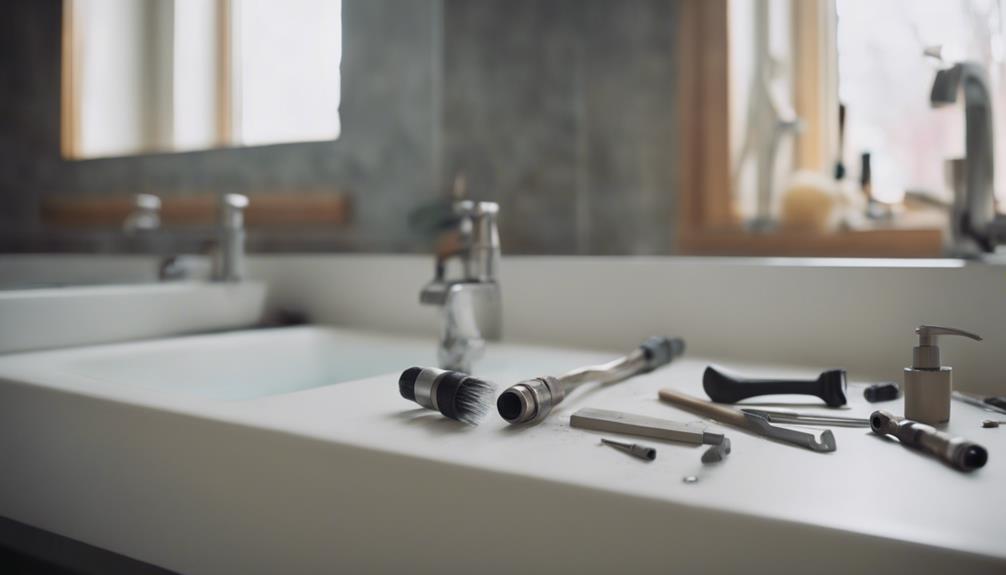
The cost of renovating your bathroom can vary significantly, largely depending on the size of your space, the materials you choose, and the labor required. You'll need to budget for everything from tiles and toilets to the labor rates of plumbers, which can range from $45 to $200 per hour, and electricians, costing between $50 to $100 per hour. Don't forget to include additional expenses like permits, delivery fees for large items, and a contingency fund for unexpected issues such as outdated wiring or mold. Carefully managing your budget and allocating funds for unforeseen costs can keep you from overspending. There's more to explore that can help you refine your budget and plan effectively.
Assessing Your Bathroom Size
Before you dive into a bathroom renovation, it's crucial to accurately assess the size of your space. Knowing every inch of your bathroom helps you make informed decisions about what's feasible and what isn't. You're not just considering the floor area; you also need to think about ceiling height, existing fixtures, and door placement.
Start by measuring the length and width of your bathroom. Then, record the dimensions of your existing fixtures—this includes your bathtub, shower, vanity, and toilet. Don't forget to measure the distance between these fixtures and any nearby walls or obstacles. This step ensures you don't plan for a new, oversized vanity that won't fit.
Next, consider the door and window placements. Are you planning to keep them as they are, or modify them? Changing these can affect both the natural light in your bathroom and how you lay out everything else.
Major Elements of Cost
After assessing your bathroom's dimensions and layout, the next step is understanding the major elements of cost. You'll need to consider materials, fixtures, and any permits required for the project.
The materials, ranging from tiles to countertops, often consume a significant portion of your budget. High-quality tiles can be pricey, but they're crucial for both aesthetics and durability. Don't forget the cost of cabinetry, paint, and potentially new windows if you're aiming for a full transformation.
Fixtures include items like sinks, toilets, and showers. The price tags on these can vary widely based on style, technology, and brand. Opting for a standard toilet might save you money upfront, but modern water-efficient models could reduce your long-term water bills. Similarly, choosing a basic sink might seem economical, but vessel or undermount sinks can boost your home's value and appeal.
Lastly, don't overlook the cost of any permits your renovation might require. Depending on your location, this can be a significant expense. Securing the right permits ensures your renovation complies with local building codes and regulations, preventing costly fines or mandatory changes down the road.
Labor Expenses Breakdown
Understanding labor expenses is crucial when budgeting for a bathroom renovation. You'll find that these costs can vary widely depending on the scope and complexity of your project. Typically, labor accounts for 40% to 65% of your total renovation cost, so getting a handle on this early is key.
Firstly, consider the different professionals you might need: plumbers, electricians, tile setters, and general contractors. Each tradesperson's rates will differ based on their experience, your location, and the specific demands of your project.
For instance, hiring a plumber might cost you between $45 and $200 per hour, while electricians often charge $50 to $100 per hour.
Your project's duration also impacts labor costs. A full bathroom remodel might take several weeks, whereas a smaller project could be completed in a few days. Remember, more complex renovations require more hours of labor, which adds up quickly.
Also, think about the timing of your renovation. If you're planning it during a busy season, rates might be higher due to demand. Planning your remodel during a less busy time could potentially save you money on labor expenses.
Additional Costs to Consider
Beyond labor, you'll also face a variety of additional costs that can impact your overall budget. These are often overlooked but can quickly add up, influencing the final tally of your project.
First, consider the cost of permits. Depending on your location and the scope of your renovation, you might need several permits, and each can have a significant price tag.
Materials are another major expense. While you might budget for the basics like tiles and fixtures, don't forget about the costs of adhesives, grout, sealants, and tools, which may not be included in a contractor's initial quote. Similarly, delivery fees for materials can be hefty, especially for heavy items like bathtubs and vanity units.
Waste disposal is yet another aspect to consider. Renovation debris needs to be handled appropriately, and you may need to rent a dumpster or pay for specialized disposal services.
Also, unexpected issues like mold, outdated wiring, or plumbing might be discovered during demolition, leading to additional expenses for remediation and updated installations.
Taking these factors into account early on will help you understand the full scope of your project's costs and avoid unpleasant surprises.
Tips for Budget Management
Managing your budget effectively can make or break your bathroom renovation project. Start by setting a clear budget before you dive into any purchasing or demolition. Remember, it's easier to stay on track when you know your financial boundaries from the start.
First, allocate funds for the must-haves and the unexpected. You'll need to prioritize essentials like plumbing and electrical work before considering aesthetic updates. Always include a contingency fund—typically 10-20% of your total budget—for unforeseen costs. These could arise from structural issues uncovered during the renovation.
Next, get multiple quotes. Don't just settle for the first contractor or designer you meet. Shopping around can uncover more budget-friendly options without compromising on quality.
Monitor your spending closely as the project progresses. Keep a detailed record of all expenses. This way, you can adjust as necessary, perhaps by delaying some less critical updates or choosing alternative materials if you're nearing your financial limit.
Lastly, consider doing some work yourself. Simple tasks like painting or installing fixtures can save you a significant amount in labor costs. However, don't overestimate your skills—leave complex plumbing and electrical work to the professionals to avoid costly mistakes.
Frequently Asked Questions
How Can I Finance My Bathroom Renovation Project?
You can finance your bathroom renovation by taking out a home equity loan, using a credit card with a promotional interest rate, or applying for a personal loan. Compare rates to find the best option.
Are DIY Renovations Significantly Cheaper Than Hiring Professionals?
DIY renovations can be cheaper, but they're risky if you're not skilled. You might save on labor costs, but mistakes can lead to higher expenses. It's crucial to weigh your expertise and time.
What Are the Latest Trends in Bathroom Designs?
You'll find that the latest bathroom design trends include minimalist aesthetics, sustainable materials, and smart technology integration. Natural light, neutral colors, and indoor plants are also increasingly popular to create a serene, spa-like atmosphere.
How Long Does a Typical Bathroom Renovation Take?
A typical bathroom renovation takes about 4 to 6 weeks, depending on the complexity and scale of your project. You'll need to factor in time for planning, demolition, installation, and finishing touches.
Can I Live at Home During the Bathroom Renovation?
You can live at home during the renovation, but it'll depend on the scale of work and your tolerance for disruption. You might face inconvenience, especially if it's your only bathroom.
Conclusion
You've seen how bathroom size, major elements, and labor influence your renovation costs. Don't forget those extra expenses that can sneak up on you. As you plan, prioritize your needs and stick to a budget. By managing your finances wisely and anticipating the full scope of expenses, you can transform your bathroom without breaking the bank. Remember, thorough planning and smart choices will ensure you enjoy your new bathroom without any lingering financial regrets.
Related articles: 3 Best Bathroom Renovation Cost Breakdown Strategies





Leave a Reply