

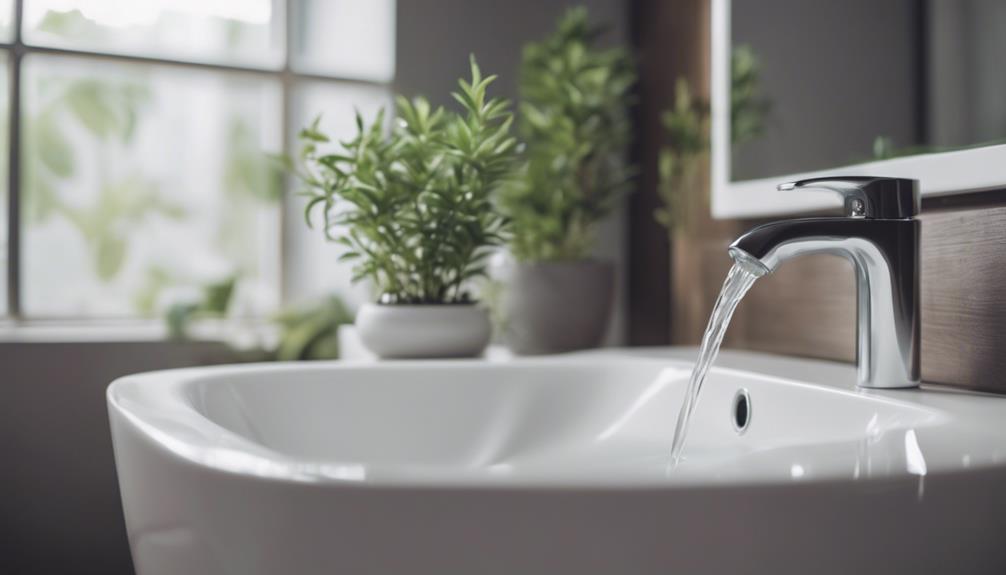
If you're wondering whether your bathroom remodel is truly saving water, it's crucial to select WaterSense labeled fixtures and consider installing dual-flush toilets and low-flow faucets. These changes can dramatically reduce your water consumption. By upgrading to modern, efficient plumbing, you're not only cutting down your utility bills but also contributing to environmental conservation. Make sure to also look into smart water management systems which help monitor and control water use. With the right choices, your remodel could significantly enhance water efficiency at home. Curious about specific fixtures and techniques that could optimize your water savings even further? Let's explore some effective options together.
Assessing Current Water Usage
Before you embark on a bathroom remodel, it's crucial to first assess how much water you're currently using. You might be surprised by the volume your household consumes daily. Start by examining your water bill, which typically breaks down usage into gallons. This gives you a baseline to measure against after implementing water-saving upgrades.
Next, consider conducting a manual check of your toilet's efficiency. An old toilet can use up to 7 gallons per flush, whereas newer models use as little as 1.28 gallons. To test for leaks—a common culprit in high water bills—add a few drops of food coloring to the tank and wait 15 minutes. If you see the color seeping into the bowl without flushing, you've got a leak that's quietly hiking up your water usage.
Don't overlook other fixtures like bathtubs and sinks. How quickly do they fill up? A deeper understanding of these rates can help gauge their water efficiency.
Low-Flow Showerheads and Faucets
Switching to low-flow showerheads and faucets can dramatically reduce your water usage without sacrificing performance. These modern fixtures are designed to deliver less water per minute, yet they maintain the pressure you need for a satisfying shower or effective sink use. You'll find that with advancements in technology, low-flow doesn't mean a weak stream; instead, it's engineered for efficiency.
When shopping for these items, look for ones marked with the EPA's WaterSense label. This certification ensures the product meets strict criteria for both water efficiency and performance. By choosing these certified products, you're not only cutting down on your water bill but also contributing to a larger environmental impact by conserving water resources.
Installing these fixtures is straightforward and can often be a DIY project. You'll notice the difference in your water consumption almost immediately. It's a simple swap that makes a significant difference.
On average, households save thousands of gallons of water annually, which translates into substantial savings on utility bills.
Dual-Flush Toilet Options
While low-flow showerheads and faucets effectively reduce water use, another impactful option is installing a dual-flush toilet. Dual-flush toilets offer you a choice between a low-volume flush for liquid waste and a full-volume flush for solid waste, allowing significant water savings. This system can be particularly beneficial if you're aiming to cut down on household water consumption.
You might wonder how much you'll really save. Well, traditional toilets use about 1.6 gallons per flush (gpf), but a dual-flush toilet uses just 1.1 gpf for liquid waste and around 1.6 gpf for solids. Over time, these savings add up, especially in homes with high usage.
Installing a dual-flush toilet isn't just about saving water; it's also a financially savvy move. Reduced water usage translates to lower utility bills. Moreover, many local governments offer rebates and incentives for bathroom fixtures that meet water efficiency standards, which can offset your initial investment.
Before you buy, it's crucial to check the performance ratings and reviews. Look for models that balance strong flushing ability with water conservation. And remember, the best dual-flush toilet for your home will depend on your specific needs and layout. Choose wisely to maximize both your water conservation efforts and your budget.
Eco-Friendly Bathtub Alternatives
If you're considering an eco-friendly bathroom makeover, exploring alternatives to traditional bathtubs can significantly reduce your water usage. One innovative option is the Japanese soaking tub, also known as an ofuro. These deeper, smaller tubs require less water than standard bathtubs and offer a luxurious soaking experience that encourages quicker baths, saving both water and energy.
Another choice is the walk-in shower, which eliminates the need for a bathtub altogether. By opting for a shower, you're not only saving space but also minimizing water use, especially if you install a low-flow showerhead. Showers typically use about half as much water as a full bath, making this a smart option for water conservation.
You might also consider a recycled bathtub. Companies are now repurposing old bathtubs, turning them into eco-friendly options that don't require new materials. This reduces your carbon footprint and supports recycling initiatives.
Lastly, for a truly minimalist approach, consider bathtub alternatives like wet rooms. These are fully waterproofed rooms designed without a conventional tub, focusing instead on open, accessible spaces that can significantly cut down on both water and heating costs.
Water-Efficient Pipes and Fixtures
Nearly all your home's water consumption passes through pipes and fixtures, making them prime candidates for efficiency upgrades. You've probably noticed how outdated fixtures can lead to leaks and excessive water flow. By switching to water-efficient models, you'll not only cut down on your water usage but also reduce your utility bills.
Start by replacing your old faucets and showerheads with low-flow versions. These are designed to use significantly less water without sacrificing performance. For instance, a standard showerhead might use 2.5 gallons of water per minute, while a water-efficient model uses 2 gallons or less. This change might seem small, but it adds up quickly over daily showers.
Next, consider upgrading your toilet. Older models can use as much as 6 gallons per flush, whereas modern high-efficiency toilets might use just 1.28 gallons. It's one of the most impactful changes you can make, especially considering the frequency of toilet use in most households.
Don't forget about the pipes themselves. Corroded or outdated piping can lead to leaks and reduced efficiency. Installing new, modern pipes can prevent water loss and ensure that your efficient fixtures perform at their best. Remember, every drop counts when you're aiming to save water.
Smart Water Management Systems
Integrating smart water management systems into your home can revolutionize how you monitor and control water usage. These systems employ advanced technologies that provide real-time data on water consumption, helping you pinpoint where you're using the most water and where you can cut back.
You'll find that smart water management goes beyond simple monitoring. It can automatically adjust the flow rate and shut off in case of a leak, which not only prevents wastage but also avoids potential water damage. This feature is particularly useful in bathrooms, where unnoticed leaks often occur.
Imagine being at work and getting an alert on your phone about a detected leak; you can shut off the water remotely until you get home to fix it.
Moreover, many smart systems offer detailed analytics. You can see trends over weeks or months, and adjust your usage patterns to maximize savings. For instance, if you're using more water during certain times of the day, you might decide to shift some activities to when water rates are lower.
Embracing these technologies means you're not just saving water—you're actively participating in a sustainable future. Smart systems are an investment that pays off by reducing your bills and conserving vital resources.
Regular Maintenance for Efficiency
While embracing smart water management systems significantly enhances your home's water efficiency, maintaining these systems along with your plumbing fixtures is key to ensuring they operate at peak performance. Don't overlook the importance of regular checks and timely repairs. It's not just about responding to issues; it's about preventing them.
You've got to keep an eye on leaks, drips, and any irregularities in water pressure. These can be early signs of bigger problems.
Regularly cleaning aerators and showerheads also prevents buildup that can impair water flow and quality. If you're not comfortable doing these tasks yourself, it's worth hiring a professional. They can spot issues you might miss and handle repairs that might otherwise lead to bigger expenses.
Frequently Asked Questions
What Are the Initial Costs of a Water-Efficient Bathroom Remodel?
You'll find the initial costs vary based on fixtures and materials. Eco-friendly toilets, showers, and faucets generally cost more upfront but can save you money in the long run on water bills.
How Long Does a Typical Bathroom Remodel Take?
You're looking at about three weeks to several months for a typical bathroom remodel, depending on complexity and scale. Delays in material delivery and unexpected issues can extend this timeline.
Can Bathroom Remodels Increase Home Resale Value?
Yes, remodeling your bathroom can significantly boost your home's resale value. Updated fixtures and modern designs appeal to buyers, making it a smart investment if you're considering selling your home in the future.
Are There Any Tax Incentives for Water-Saving Renovations?
Yes, you could be eligible for tax incentives if your renovations include water-efficient products. Check local government programs; they often offer rebates or tax credits for installing low-flow toilets and showerheads.
How Do I Dispose of Old Bathroom Fixtures Responsibly?
To responsibly dispose of old bathroom fixtures, you can donate them to local charities or sell them. Otherwise, contact your city's waste management to ensure they're recycled or disposed of properly.
Conclusion
You've explored numerous ways to cut down on water use in your bathroom remodel. By installing low-flow showerheads, dual-flush toilets, and water-efficient pipes, you're on the right track. Don't forget the smart water management systems and regular maintenance to keep everything running smoothly. These changes not only save water but also reduce your bills. So, yes, your bathroom remodel is definitely helping you save water—keep up the great work in making your home more eco-friendly!
Related articles: Why Prioritize Green Standards in Bathroom Remodeling? · How to Meet Green Building Standards in Bathrooms · What Are Green Building Standards for Bathrooms?




Leave a Reply