

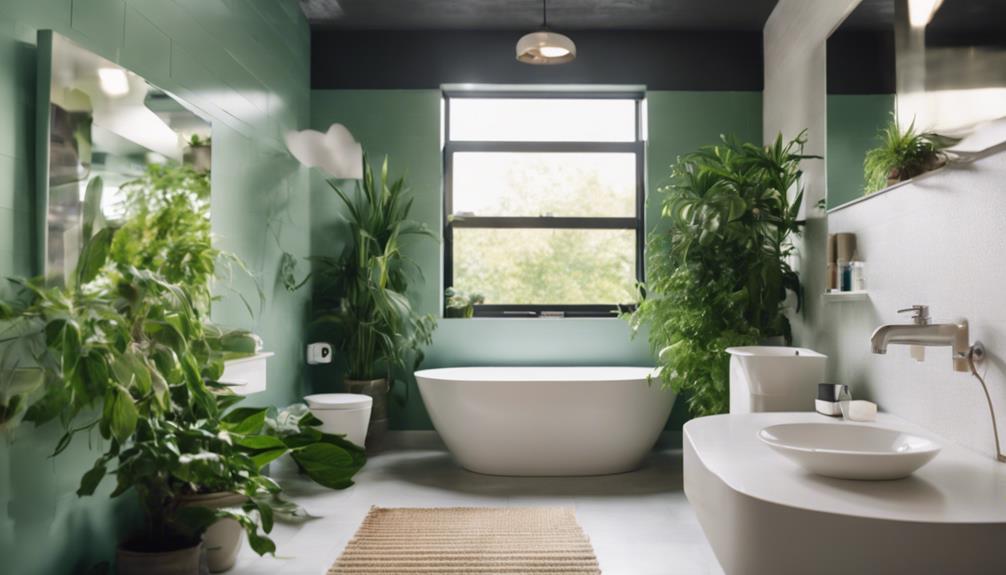
In remodeling your bathroom with eco-friendly elements, you can make impactful water conservation choices. Start by installing low-flow showerheads and water-efficient faucets that significantly cut down your water usage. Upgrade to dual-flush toilets for varied flush options, allowing you to control how much water you use. Consider incorporating a greywater system to recycle water from your sink, shower, and tub, or opt for water-saving bathtubs designed with modern efficiency in mind. Remember, low or zero-VOC water-resistant paints can enhance indoor air quality while also contributing to environmental protection. As you consider these options, you'll uncover even more ways to promote sustainability in your home.
Choose Low-Flow Showerheads
When remodeling your bathroom, consider installing low-flow showerheads to significantly reduce water usage. These showerheads are designed to use less water per minute compared to standard models. Not only will you conserve water, but you'll also cut down on your utility bills.
Low-flow showerheads come in various styles and functionalities, so you don't have to sacrifice aesthetics or experience for efficiency. You can choose from handheld models, rain showers, or adjustable ones, each offering different spray patterns and pressures. They're equipped with technology that maximizes the force of water flow, ensuring that even with less water, your showers remain satisfying and refreshing.
Installing these showerheads is straightforward and generally doesn't require professional help. You'll find that it's as simple as unscrewing the old showerhead and screwing on the new one. Just make sure to check for any leaks and use thread tape if necessary to ensure a tight seal.
Install Dual-Flush Toilets
To further enhance your bathroom's sustainability, consider installing a dual-flush toilet. These innovative fixtures come with two flushing options: a low-volume flush for liquid waste and a full-volume flush for solid waste. By giving you the choice between the two, you're able to significantly cut down on water usage.
Typically, the low-volume flush uses about half the water of a full flush, making a substantial difference in your overall water conservation efforts.
You might be wondering about the cost-effectiveness of dual-flush toilets. While they may have a higher upfront cost compared to standard toilets, the savings on your water bill can quickly offset these initial expenses. Over time, you'll find that the investment pays for itself and then some.
Moreover, many local governments offer rebates and incentives for installing water-efficient bathroom fixtures, which can help reduce your costs even further.
Opt for Water-Efficient Faucets
Switching to water-efficient faucets can drastically reduce your bathroom's water consumption. These faucets, often equipped with aerators, work by mixing air with water, giving you a robust flow while significantly cutting down on usage. This isn't just about saving a few gallons; it's about making a sustainable choice that affects both your water bill and the environment.
When shopping for new faucets, look for those with the WaterSense label, which meets the EPA's specifications for water efficiency and performance. These models can reduce your sink's water flow by up to 30% compared to conventional faucets without sacrificing performance. Imagine saving gallons each day just by doing your regular hand washing, teeth brushing, and face washing.
You'll also want to consider the style and finish of the faucet, ensuring it matches your bathroom's design. But remember, the internal features are what contribute most to water conservation. Opt for models with adjustable flow rates for further flexibility and control over your water usage.
Use Greywater Systems
Installing a greywater system in your bathroom allows you to reuse water from sinks, showers, and tubs for tasks like flushing toilets or watering gardens. This smart move not only conserves precious water but also reduces your overall water consumption and lowers your utility bills.
When you opt for a greywater system, you're channeling water that would otherwise go to waste. However, it's crucial to use biodegradable soaps and shampoos to prevent harm to your plants and soil. These systems can be simple, involving only basic plumbing changes, or more complex, including filters and pumps depending on your needs and local regulations.
You'll need to check your local building codes and possibly obtain permits before installation. It's wise to consult with a professional who specializes in greywater systems to ensure proper setup and compliance with health and safety standards.
Select Water-Saving Bathtubs
After setting up a greywater system, consider enhancing your water efficiency by choosing a water-saving bathtub. With a range of options available, you'll find that modern designs not only conserve water but also blend seamlessly with your stylish bathroom décor.
First off, look for bathtubs that are designed to hold less water while still providing a comfortable soak. Some tubs feature a contoured design that requires less water to fill, yet doesn't compromise on depth where you need it most. This means you're using less water each time you indulge in a bath.
Another smart choice is opting for bathtubs made from materials that retain heat better, such as acrylic or reinforced fiberglass. These materials keep your bath water warmer for longer, reducing the need to add more hot water and consequently saving on both water and energy.
Also, consider bathtubs with built-in overflow control features. These innovative designs help prevent water waste by limiting the capacity to an optimal level, ensuring that every bath you take is both luxurious and eco-friendly.
When you choose a water-saving bathtub, you're not just opting for a sustainable home improvement. You're also investing in a solution that cuts down on your utility bills and conserves precious resources.
Implement Smart Water Meters
To further enhance your bathroom's eco-friendliness, consider implementing smart water meters. These devices are key to tracking your water usage in real time, allowing you to pinpoint where you're using the most water and where you can cut back. By monitoring this data, you're better equipped to manage your consumption, potentially leading to significant savings on your water bill.
Smart water meters connect to a smartphone app, providing detailed reports and alerts. For example, if you're taking a shower and you've used more water than planned, the app can notify you to wrap it up sooner. This immediate feedback is invaluable for maintaining your water-saving goals.
Additionally, these meters often detect leaks early. You won't have to wait for a sky-high water bill to realize there's a problem. Early detection not only saves water but also prevents costly damage to your home.
Installing a smart water meter isn't just a step towards eco-friendliness; it's also a practical move for any homeowner looking to reduce their environmental footprint and save money. Don't overlook this smart upgrade in your bathroom remodel plans. It's a small change that can make a big difference in your water conservation efforts.
Consider Eco-Friendly Tiles
Switching to eco-friendly tiles can dramatically enhance the sustainability of your bathroom remodel. You'll not only support the environment but also add a unique aesthetic appeal to your space. Eco-friendly tiles are made from recycled materials like glass, ceramic, and even plastic, reducing the demand on natural resources and minimizing waste in landfills.
When you're choosing tiles, look for options that boast low VOC (volatile organic compounds) emissions to maintain better indoor air quality. Some tiles are also produced using energy-efficient processes, further lowering their environmental impact.
Consider the durability of eco-friendly tiles as well. High-quality recycled tiles can be just as sturdy and beautiful as their conventional counterparts. They're designed to withstand moisture and wear, making them ideal for bathroom environments. Plus, they come in a variety of colors and patterns, so you don't have to sacrifice style for sustainability.
Apply Water-Resistant Paints
Choosing water-resistant paints for your bathroom walls is a smart move to prevent mold and mildew growth in the moisture-prone environment. These specialized paints not only cope better with humidity but also help in reducing the frequency of repaints, making them an eco-friendly choice for your remodel.
You'll find that water-resistant paints are formulated to create a barrier that moisture can't easily penetrate, ensuring your walls stay in pristine condition for longer.
When selecting these paints, look for options labeled as low-VOC or zero-VOC. VOCs (Volatile Organic Compounds) aren't only harmful to the environment but can affect your indoor air quality. Opting for these healthier alternatives means you're not just protecting your walls, but also your health and the planet.
You might wonder about the application process. It's similar to applying regular paint but ensure the area is well-ventilated. This aids in faster drying and reduces the lingering smell of fresh paint. Don't forget to use a primer designed for high humidity areas before painting. This extra step ensures better adhesion and durability, maximizing your efforts in creating an eco-friendly, water-conserving bathroom.
Frequently Asked Questions
How Can I Finance an Eco-Friendly Bathroom Remodel?
To finance your remodel, consider a home equity loan or look for green incentives from local governments. Check with banks for low-interest loans specifically for energy-efficient upgrades. Don't forget to budget wisely!
Do Water-Efficient Fixtures Require More Maintenance?
No, water-efficient fixtures don't typically require more maintenance than standard ones. You'll find they operate just as smoothly while saving you water and money on your utility bills.
Can Older Homes Accommodate Modern Greywater Systems?
Yes, you can install modern greywater systems in older homes, but you might need to update some plumbing to handle the new setup. It's a smart move to consult a professional first.
What Are the Best Plants for a Bathroom Eco-Space?
You'll want plants that thrive in humid, low-light conditions for your bathroom. Consider peace lilies, bamboo, and ferns. They're not only beautiful but also excellent at improving air quality in confined spaces.
Are There Tax Benefits for Eco-Friendly Renovations?
Yes, you might get tax benefits for eco-friendly renovations. Check local regulations as credits often apply for energy-efficient upgrades, potentially lowering your tax bill if you meet specific energy-saving standards.
Conclusion
You've explored some fantastic options for creating a water-wise bathroom. By choosing low-flow showerheads, installing dual-flush toilets, and opting for water-efficient faucets, you're well on your way to conservation. Don't forget the benefits of greywater systems and smart water meters. And, for that final touch, consider eco-friendly tiles and water-resistant paints. These changes not only save water but also reduce your bills, making your bathroom remodel both eco-friendly and economical.
Related articles: 10 Water-Saving Innovations for Your Bathroom Remodel




Leave a Reply